Featured Stories

Nosema Disease in Honey Bees
Nosema is a serious disease of honey bees caused by a microsporidian. A microsporidian is a type of single-celled fungus that reproduces by spores. The nosema organisms live and reproduce in the honey bee midgut, where they steal nutrients and prevent digestion.
Read More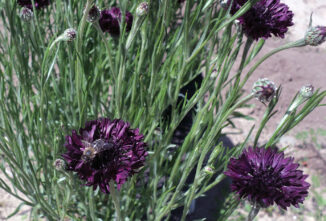
Plants that Attract Predatory Insects
Support a variety of pollinating insects, including those that parasitize and predate garden pests, by planting plants that attract predatory insects.
Read More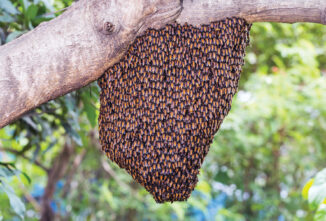
Giant Honeybee Shimmering Bee-Havior
Learn about the giant honeybee shimmering behavior as a defense strategy to ward off predatory wasps and hornets.
Read More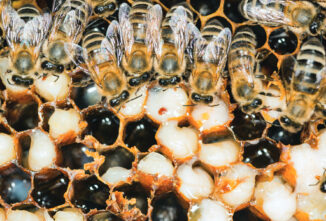
Treating Varroa Mites with Heat
What temperature kills varroa mites? Treating varroa mites with heat is a different tactic that uses special hive components to employ a passive solar radiation technique.
Read More
Moisture Control in The Hives: A Four-Season Approach
We work with the seasons and the bees’ own incredible ability to self-regulate to keep heat, cold, and moisture in check. While it is useful to look at how bees live “in the wild” to understand their natural preferences, it’s good to remember that honey bees are adaptable and live all over the world, in all climates.
Read More
Swarm Prevention Methods
Though swarming is a natural, colony-level reproductive process, it’s often viewed as beekeeper negligence. Learn swarm prevention methods so you don’t lose honeybees or potential hive products.
Read More
Marketing Your Honey
Marketing and selling surplus honey takes a bit more than word of mouth if you have more than a few gallons to sell. So, here’s a primer on how to start marketing and selling your surplus honey this season.
Read More
Different Ways to Obtain Bees
There are several ways to obtain bees locally and from afar in the form of swarms, packages, cutouts/trap outs, and nuclei.
Read More
Your Seasonal Beekeeping Calendar
When you are new to beekeeping, it’s good to have a game plan. Today let’s explore a seasonal beekeeping calendar and your to-do’s throughout the year.
Read More
How Long After a Swarm Should I See Signs of a Queen?
On average, a newly emerged queen takes about two weeks, give or take, before she begins to lay eggs.
Read More
Supering up for a Honey of a Summer
The beekeeper’s role is to keep things on course. Problems tend to propagate if not dealt with, and a small problem uncorrected becomes a disaster.
Read More