About the Author

Backyard Beekeeping Contributor
Articles by Backyard Beekeeping Contributor
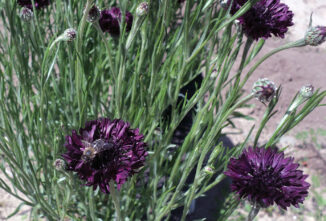
Plants that Attract Predatory Insects
Support a variety of pollinating insects, including those that parasitize and predate garden pests, by planting plants that attract predatory insects.
Read More
Swarm Prevention Methods
Though swarming is a natural, colony-level reproductive process, it’s often viewed as beekeeper negligence. Learn swarm prevention methods so you don’t lose honeybees or potential hive products.
Read More
Granny’s Southern Cornbread with Honey Instead of Sugar
Make cornbread with honey instead of sugar with Granny’s southern taste for honey cornbread in cast iron.
Read More
Beehive Placement: Where Should I Place My Hives?
Real estate agents love to say, “Location, location, location!” So it is with beehive placement. The right location will benefit them (and you) tremendously.
Read More
Vulture Bee Honey & Weird Honey
Discover vulture bee honey and other weird insects that produce sweet nectar to feed their hives.
Read More
Raise Bees in Your Backyard
Everything You Need to Know about Raising Honeybees from Beehives for Beginners to Beekeeper Supplies to Why Pollination is Important
Read More
Best Wildflowers for Honeybees
In recent years, the role of wildflowers in feeding honeybees has been widely misunderstood.
Read More
Establishing a Successful Bee Garden
The right flowers, fruit, and vegetables in your garden will attract some of your own bees, as well as welcoming bumblebee and solitary bee species.
Read More
Garden Plan for Pollinators
Design choices, plant selections, and maintenance practices can make a huge difference in creating your own healthy ecosystem.
Read More
Save Time Building Frames Using a Jig
Winter is the time for a beekeeper to prepare for spring! Now is the perfect time to get a jump start on springtime preparations by building equipment like frames.
Read More