Featured Stories


Honeybees Bring Hope to Rural Appalachia
Thanks to the industrious honeybee, there’s hope on the horizon for many unemployed individuals in rural Appalachia, West Virginia.
Read More
8 Ways to Be a Courteous Backyard Beekeeper
Being a good beekeeping neighbor is something all backyard beekeepers should be concerned about. When we started talking about keeping bees we knew we’d have to be careful since our property is only 1.5 acres and we’re surrounded by neighbors.
Read More
Are Infrared Cameras in the Winter Necessary?
In the past few years, the number of electronic devices for beekeepers has mushroomed. I’ve frequently been asked to test these new devices, so I have quite a bit of experience with them.
Read More
What’s Better? Buying Bees or Catching Swarms?
There are several ways to start beekeeping. Most beginners start buying bees via packages because they are the most readily available. Another way is to catch a swarm.
Read More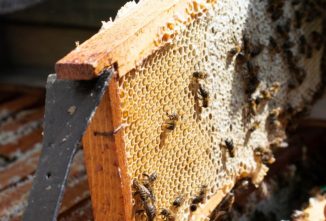
LIST: Common Beekeeping Terms You Should Know
Here is a list of some of the common beekeeping terms used throughout the hobby. While this list isn’t exhaustive, it should at least help you sound knowledgeable at your bee club meetings.
Read More
The Varroa Mite: Know Your Enemy
Add to Favorites By Josh Vaisman – Honey bees currently face three difficult challenges to their survival — a lack of quality nutrition, ubiquitous pesticides in the environment, and the …
Read More
What are Ankle-Biter Bees?
Purdue ankle-biters are a type of honey bee developed at Purdue University after beekeepers noticed that some honey bees bit the legs off dislodged varroa mites. Individual bees with this hygienic trait were inbred in order to increase the incidence of the genetic alleles that produced the behavior. The result of this breeding program yielded the so-called ankle-biters.
Read More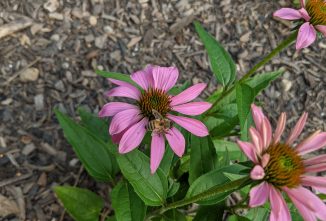
Bee Jobs
From the day they emerge from their cells, bees know exactly what to do and when to do it. So, how do bees get jobs?
Read More
Cleansing Flights
As with other living creatures, the “outcome” of cleansing flights can be a helpful tool in determining overall colony health and hive conditions, allowing the attentive beekeeper to make informed management decisions.
Read More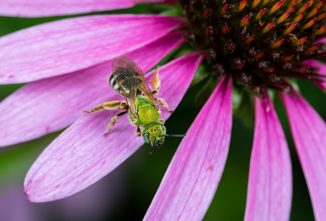
Do Domestic Honeybees Impact Native Bee Populations?
It’s jarring to be faced with an unpleasant paradox: By keeping domestic honeybees, beekeepers may be competing with wild bees.
Read More