Featured Stories

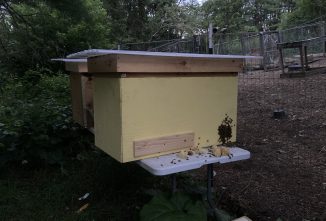
Lessons Learned Building Layens Hives
We can’t keep an entire field of bees, nor do we have the time to check on them, add boxes, or extract honey weekly. Therefore, we tried beekeeping with Layens hives.
Read More
Chalkbrood Disease in Honey Bees
Of all the disease names, chalkbrood paints the most vivid picture. Even if you’ve never seen chalkbrood symptoms, white chunks of mummified brood are hard to mistake for anything else.
Read More
Can I Feed Bees Honey From Another Hive?
The real problem with feeding honey from another hive is whether the honey is contaminated with spores of American foulbrood (AFB).
Read More
Moving Beehives: What You Need to Know
When you first got interested in starting beekeeping, I know you did tons of research and thinking about where to put your hives. But sometimes things change and you need to change with them. And so, you find yourself moving beehives.
Read More
What You Need to Know About Apiary Layout
The actual layout of your apiary will be unique to your property; there isn’t just one best layout.
Read More
How to Help Bees During Spring Rain and Storms
Spring rain is a welcome sight to a homesteader who is busy sowing seeds and planting crops. However, those same spring rains can turn into devastating storms that often leave beekeepers wondering how to help bees weather the storms?
Read More
Growing Early Flowering Plants for Bees
For most gardeners, fall is the time to bring in the last of the harvest, preserve and store what you’ve harvested, and put the garden to bed for winter.
Read More
Beekeeping Calendar February/March
Add to Favorites A guide to Beekeeping in the Northern Hemisphere. Loving Hive Highlights? Download other helpful resources in this series! CLICK HERE to get your pdf!
Read More
A List of Plants That Attract Bees
For thousands of years, bees have been helping feed people, but now in the face of an onslaught of chemicals and disease, they’re in need of a helping hand. One course of action you can take is growing plants that attract bees.
Read More
Raising Honey Bees with Pets and Livestock
When we decided to start raising honey bees, one of the things we needed to consider was the safety of the other animals on our property. If we had a large property where we would be able to put our hives away from our other animals it would be easy, but we don’t have a large property.
Read More