Featured Stories

What’s Better? Buying Bees or Catching Swarms?
There are several ways to start beekeeping. Most beginners start buying bees via packages because they are the most readily available. Another way is to catch a swarm.
Read More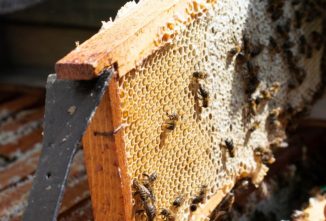
LIST: Common Beekeeping Terms You Should Know
Here is a list of some of the common beekeeping terms used throughout the hobby. While this list isn’t exhaustive, it should at least help you sound knowledgeable at your bee club meetings.
Read More

The Varroa Mite: Know Your Enemy
Add to Favorites By Josh Vaisman – Honey bees currently face three difficult challenges to their survival — a lack of quality nutrition, ubiquitous pesticides in the environment, and the …
Read More
What are Ankle-Biter Bees?
Purdue ankle-biters are a type of honey bee developed at Purdue University after beekeepers noticed that some honey bees bit the legs off dislodged varroa mites. Individual bees with this hygienic trait were inbred in order to increase the incidence of the genetic alleles that produced the behavior. The result of this breeding program yielded the so-called ankle-biters.
Read More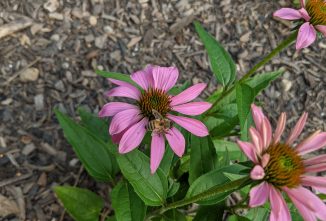
Bee Jobs
From the day they emerge from their cells, bees know exactly what to do and when to do it. So, how do bees get jobs?
Read More
Cleansing Flights
As with other living creatures, the “outcome” of cleansing flights can be a helpful tool in determining overall colony health and hive conditions, allowing the attentive beekeeper to make informed management decisions.
Read More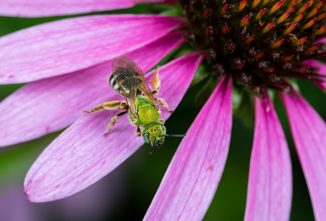
Do Domestic Honeybees Impact Native Bee Populations?
It’s jarring to be faced with an unpleasant paradox: By keeping domestic honeybees, beekeepers may be competing with wild bees.
Read More
Dreaming of Summer
Back in the day, bees could take flowers for granted. They just emerged in the spring, feasted, mated, and generally enjoyed life. Nowadays, food and habitat are much more precarious.
Read More
Bumblebees: The Big Buzz Pollinator
Most of us are familiar with bumblebees due to their size, bright colors, and buzz. This calm, passive bee is one of the largest native bees.
Read More
Making Merry
Mead may be one of the oldest fermented drinks invented by man; traces of fermented honey wine found in China date back to 7,000 B.C.
Read More