Featured Stories

Best Wildflowers for Honeybees
In recent years, the role of wildflowers in feeding honeybees has been widely misunderstood.
Read More
Establishing a Successful Bee Garden
The right flowers, fruit, and vegetables in your garden will attract some of your own bees, as well as welcoming bumblebee and solitary bee species.
Read More
Garden Plan for Pollinators
Design choices, plant selections, and maintenance practices can make a huge difference in creating your own healthy ecosystem.
Read More
Save Time Building Frames Using a Jig
Winter is the time for a beekeeper to prepare for spring! Now is the perfect time to get a jump start on springtime preparations by building equipment like frames.
Read More
Guidance on Buying Hygienic Bees
Add to Favorites Honeybees bred for various characteristics have fascinated beekeepers for decades. Bees can be bred for overwintering, honey production, gentleness, and even hygienic behavior. The problem is that …
Read More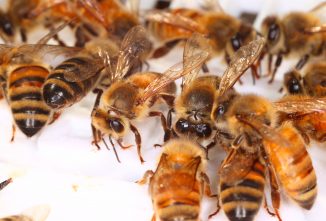
The Unsolved Mystery: Washboarding Behavior in Bees
Often observed at the entrance to hives, washboarding is a purposeful group behavior involving anywhere from a few to several hundred bees engaging in a swaying to-and-fro movement reminiscent of scrubbing clothes on a washboard.
Read More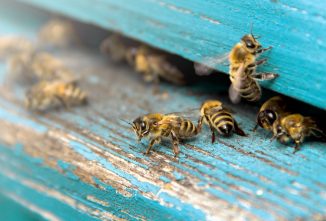
Eusocial Insects Meet Social Media
It’s the age of social media, and while TikTok dances and Snapchat filters are still taking the internet by storm, there’s something new causing a buzz — bees!
Read More
Ask the Expert: Chlorine to Clean Hives
Add to Favorites Chris W. asks: Can I use chlorine bleach to clean hives? Rusty Burlew answers: Beekeepers find many uses for chlorine bleach in and around hives. In its …
Read More
Ask the Expert: Black Hive Boxes and Comb
Add to Favorites Chris W. asks: My boxes look black, as do the combs that go in the boxes. Is this normal? Rusty Burlew replies: Within a winter hive, it …
Read More
Honeybees and the Classroom
Add to Favorites Of all the creative applications for bees, one of the most exciting is bringing bees into the classroom — or rather, bringing the classroom out to the …
Read More