Featured Stories


Natural versus Grafted Queen Rearing
Queen rearing can be as simple or as complex as the beekeeper chooses. Grafting queen bees and natural rearing are the two more common methods.
Read More
What Does a Caught Swarm Need to Thrive?
Because the workers are already racing against time, it is highly unlikely the swarm will leave. Once you see combs being built, odds are they will stay.
Read More
Growing Your Apiary: All About Splitting a Hive
Splitting the colony is a natural part of the honeybee’s reproductive life cycle—in nature we call this action “swarming.” Why do bees swarm? With increased hours in daylight, the queen bee begins to lay her eggs and grow the hive’s population.
Read More
The Poisoning of Bees on Sunflower Crops
Do you have any info regarding the poisoning of bees on sunflower crops?
Read More
What To Know As Spring Unfolds Into Summer
If April is the beekeeping equivalent of planting time, then May is when our efforts start to germinate.
Read More
The Vital Role the Drone Plays in the Beehive
The most sustainable manner of keeping bees requires Beekeepers to learn skills beyond hive inspection, feeding regimens, and pest control. Learning to create splits and raise queens are, without a doubt, the most sustainable manner of reducing costs.
Read More
Strange Creatures
What about all those strange creatures lurking about the bee yard? Here’s a little primer on which creatures to keep a watch out for.
Read More
Succession Planting With the Best Plants for Bees
One of the ways we help is by succession planting for bees and other pollinators and learning what are the best plants for bees.
Read More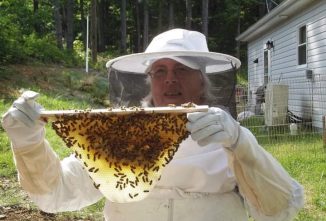
Disability and Beekeeping
While we may not think of beekeeping as a strenuous activity, it does require a certain degree of fitness and mobility. The amount of lifting, turning, and bending may seem small, but it can seem overwhelming if you have mobility, dexterity, or balance problems.
Read More
What do Mason Bees Pollinate?
Most Osmia mason bees are generalist pollinators, foraging on a wide variety of plants. As a rule of thumb, Osmia prefer tube-shaped blossoms or flowers with irregular shapes. Some of their favorites are various mints, penstemon, scorpionweed, and willows. They also like legume family plants such as indigo bush, clover, and vetch along with composites such as thistles.
Read More