Featured Stories

Hygienic Bees Smell Disease and Do Something About It
One form of social immunity is called hygienic behavior, wherein many young workers resist the spread of pathogens and Varroa mites by detecting, uncapping, and removing unhealthy brood.
Read More
Top Bar Beehives vs Langstroth Beehives
Not long after our teenage son started raising honey bees, a family friend built him a top bar beehive with an observation window using beehive plans from a homesteading book. It was such an amazing gift.
Read More
The Ins and Outs of Buying Bees
Every spring potential beekeepers begin to get excited about starting to keep bees. They read beekeeping books and articles, and talk to experienced beekeepers about everything from setting up their apiary to buying bees.
Read More
Learn How Bees Can Be Sustainably Managed
The most sustainable manner of keeping bees requires Beeks to learn skills beyond hive inspection, feeding regimens, and pest control. Learning to create splits and raise queens are, without a doubt, the most sustainable manner of reducing costs.
Read More
Catch and Release Powdered Sugar Roll Varroa Mite Test
Knowing what a hive’s mite load is can mean the difference between a hive surviving the winter in a healthy state ready to tackle the next honey season and an almost guaranteed untimely death from the viruses and diseases contributed to high varroa loads.
Read More
Which Bees Make Honey?
While not all bees make honey, there are many species that do—perhaps hundreds.
Read More
Is Fondant Actually Detrimental to Bees?
When you cook sugar or add an acid such as vinegar or cream of tartar, you break the molecular bonds that hold sucrose together and end up with the two simple sugars. It’s the fructose portion that causes the problem. When fructose is heated it produces hydroxymethylfurfural (HMF), which is toxic to bees.
Read More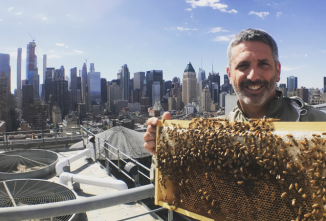
Rooftop Beekeeping: Honey Bees in the Sky
Fourth-generation beekeeper Andrew Coté keeps over 100 colonies in New York City. From selling honey at farmers markets to removing swarms from ten-story rooftops, he shares beekeeping with generation five (his son). He sells honey to celebrities, teaches seminars, and works with restaurants.
Read More
To Treat or Not to Treat for Varroa Mites
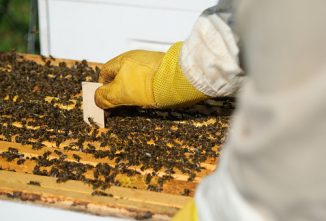
Amidst the myriad of advice, pesticides, invasive treatments, and other methods for treating varroa mites, a hardy group of pioneers stands out: Those who refuse to treat the mites at all.
Read More
Varroa Mite Treatments: Hard and Soft Miticides
Regardless of where you keep bees, varroa management is a constant topic within any beekeeping community. And with good reason; without proper varroa control, we beekeepers lose our valuable colonies.
Read More